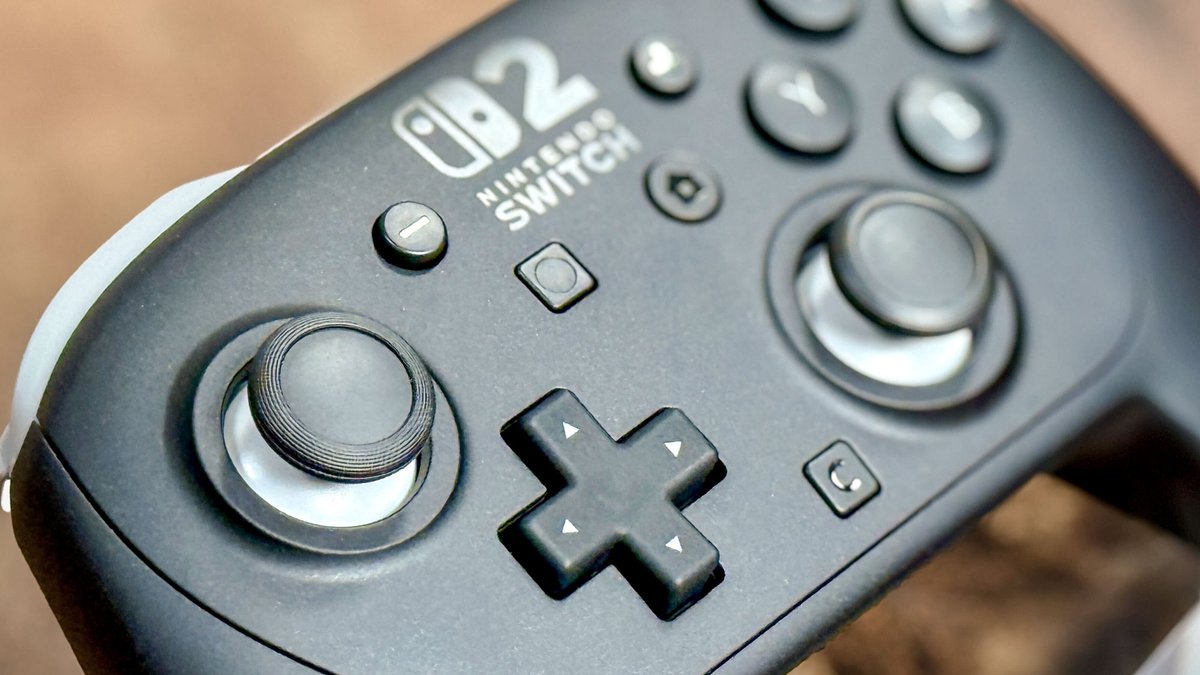
Nintendo Switch 2 vs. Nintendo Switch: Breaking Down Key Differences
The gaming world is buzzing with the impending arrival of the Nintendo Switch 2, the much-anticipated successor to a console that redefined portable gaming. If you’ve been a loyal Switch owner, or perhaps you’re looking to jump into the Nintendo ecosystem for the first time, you’re likely wondering: what truly separates the new console from the current Nintendo Switch models? We're about to dive deep into a comprehensive comparison, examining everything from screen size and processing power to redesigned Joy-Cons and expanded storage, ensuring you're fully informed before its June 5, 2025 launch.
At a Glance: The Next-Gen Leap
Before we get into the nitty-gritty, here's a quick look at the most significant upgrades coming with the Nintendo Switch 2 compared to the original Nintendo Switch and the OLED model:
- Release Date: June 5, 2025 (Switch 2) vs. Already Available (Current Models)
- Price: $449 (Switch 2) vs. $299 (Original Switch) / $349 (Switch OLED)
- Screen: Larger 7.9" LCD (Switch 2) vs. 6.2" LCD (Original) / 7.0" OLED (OLED Model)
- Resolution: 1080p handheld, up to 4K docked (Switch 2) vs. 720p handheld, 1080p docked (Current Models)
- Refresh Rate: 120Hz (Switch 2) vs. 60Hz (Current Models)
- Storage: 256GB (Switch 2) vs. 32GB (Original/Lite) / 64GB (OLED Model)
- Expandable Storage: microSD Express only (Switch 2) vs. Standard microSD (Current Models)
- Joy-Cons: Redesigned, larger, magnetic connection, "C button," optical sensor (Switch 2) vs. Railing connection (Current Models)
- Processor: More powerful NVIDIA custom (Switch 2) vs. Nvidia Tegra XI (Current Models)
- Battery Life: 2-6.5 hours (Switch 2) vs. 4.5-9 hours (Updated Original/OLED)
- Kickstand: Full-back, multi-angle (Switch 2) vs. Flimsy, single-angle (Original/OLED)
The Contenders: A Quick Overview
For years, the Nintendo Switch family has offered versatile gaming experiences. Let's briefly reacquaint ourselves with the current lineup before introducing the new challenger.
- Nintendo Switch (Original/Updated Model): The classic hybrid console, capable of TV, tabletop, and handheld play. It features a 6.2-inch LCD screen and 32GB of internal storage. Its updated model offers significantly improved battery life.
- Nintendo Switch - OLED Model: A premium upgrade, boasting a vibrant 7.0-inch OLED screen, 64GB of storage, and a sturdier, full-width kickstand. It also includes a wired LAN port in its dock.
- Nintendo Switch Lite: A handheld-only version, smaller and lighter, with a 5.5-inch LCD screen and 32GB storage. It sacrifices TV output and detachable Joy-Cons for enhanced portability and a lower price point.
Now, entering the arena is the Nintendo Switch 2. Officially announced and slated for release on June 5, 2025, this successor promises a significant leap forward in nearly every technical aspect while retaining the beloved hybrid nature that defined the original.
Design & Display: A Bigger, Brighter Window to Worlds
One of the most immediate differences you'll notice with the Switch 2 is its physical presence and screen capabilities.
The Nintendo Switch 2 main unit is notably larger than its predecessor. Measuring 4.5 inches tall by 10.7 inches wide (compared to the original Switch's 4 x 9.4 inches), it offers more screen real estate while maintaining a similar slimness at 0.55 inches deep. This increased size, however, keeps the main unit's weight surprisingly similar to the original at 0.88 lbs, though it feels more substantial with the new Joy-Con 2 controllers attached (1.18 lbs).
Crucially, the Switch 2 sports a 7.9-inch LCD display. While some hoped for an OLED panel given the current premium model, Nintendo has opted for a larger LCD. This is still a considerable upgrade from the original Switch's 6.2-inch LCD and even bigger than the OLED model's 7.0-inch screen. The real game-changer here is the resolution: 1080p in handheld mode (up from 720p on the original) and up to 4K resolution in docked mode (at 60Hz). This means sharper, more detailed visuals whether you're gaming on the go or on your big screen.
Adding to the visual fidelity, the Switch 2 boasts a 120Hz refresh rate, a substantial jump from the current models' 60Hz. This translates to smoother animations and a more fluid gaming experience, particularly noticeable in fast-paced titles. HDR support is also included for both handheld and docked modes, bringing richer colors and deeper contrast.
Beyond the screen, the Switch 2 addresses a long-standing complaint with a redesigned kickstand. Instead of the flimsy flap on the original, the Switch 2's kickstand covers the entire back of the console and is adjustable to multiple angles, offering far greater stability for tabletop play. You'll also find a new "C button" (or "Chat button") integrated, hinting at enhanced voice chat functionality right out of the box.
Audio receives a welcome boost too, with a built-in noise-cancelling microphone and major improvements to the speakers, including 3D Audio support. For connectivity, an additional USB-C port on the top of the console allows for more flexible charging or accessory connections, a step up from the original's single bottom-mounted port.
Under the Hood: Powering the Next Generation
A console's true power lies within, and the Nintendo Switch 2 certainly isn't shy about its internal upgrades.
At its core, the Switch 2 features a more powerful NVIDIA custom processor, moving beyond the original Switch's aging Nvidia Tegra XI CPU. While specific details on clock speeds or core counts are still under wraps, this new chip is expected to deliver a significant performance boost, enabling higher resolutions, better graphics, and more complex game worlds.
Perhaps the most universally welcomed upgrade is the massively increased internal storage: 256GB. This is a huge leap from the 32GB found in the original Switch and Switch Lite, and even a quadruple increase over the Switch OLED's 64GB. You'll be able to download far more games and updates without immediately needing an external card.
However, a critical detail regarding storage expansion is that the Switch 2 is compatible only with microSD Express cards. This means your existing standard microSD cards from your current Switch will not work with the new console. This is an important consideration for potential upgraders.
Connectivity also gets a modern refresh. The Switch 2 includes Wi-Fi 6 for faster, more reliable wireless connections and an updated Bluetooth standard (specific version undisclosed, but an upgrade from Bluetooth 4.1). Both consoles continue to support wired LAN connectivity via their respective docks.
Joy-Cons Evolved: New Grip, New Tricks
The Joy-Cons are synonymous with the Nintendo Switch, and the Switch 2 introduces a significantly re-engineered version: the Joy-Con 2.
These new controllers are larger than the original Joy-Cons, offering a more substantial feel in hand. They also feature bigger SL and SR buttons, which should improve comfort and responsiveness, especially for those with larger hands.
The most notable change, however, is the connection mechanism. The Joy-Con 2s use a new "snapping system," widely believed to be magnetic, to attach to the console. This replaces the current Switch’s railing connectors, promising a more secure and perhaps more durable attachment method.
The new "C button" isn't just on the console; it's a key feature of the Joy-Con 2s as well. It provides quick access to GameChat functionality, enabling voice chat, video chat, and even online split-screen features directly from your controllers. This is a clear response to player requests for better integrated communication tools.
Adding another layer of innovation, both the right and left Joy-Con 2s reportedly include an optical sensor for a "mouse mode." This opens up possibilities for "dual mouse controls," teased for FPS games and demonstrated with concepts like "DragxDrive." Imagine more precise aiming and navigation without needing external peripherals.
Battery life for the Joy-Con 2s is rated at approximately 20 hours, with a charge time of 3 hours and 30 minutes, offering solid endurance for extended play sessions.
The Dock: A Smarter Hub for Your TV
For many, the Nintendo Switch experience includes docking it for big-screen gaming. The Switch 2 introduces a redesigned dock built to support its enhanced capabilities.
The new dock replaces the sharp-angled design of the original with a softer, more rounded aesthetic. Its primary function remains the same: connecting the Switch 2 to your television. However, the Switch 2 dock includes a vital upgrade: an integrated fan to keep the console cool, especially when pushing 4K resolution in docked mode. This dedicated cooling solution is crucial for maintaining performance during demanding gameplay.
In terms of dimensions, the Switch 2 dock is slightly larger than its predecessor, measuring 4.5 inches tall, 7.9 inches wide, and 2 inches thick (compared to the original's 4.1 x 6.9 x 2 inches). Despite the size increase, the port selection remains familiar: an ethernet port, HDMI connectivity, two USB ports on the side, an AC adapter port, and the system connector, ensuring compatibility with your existing TV setup and peripherals.
Battery Life & Charging: Powering Your Adventures
While the Switch 2 offers more power, this often comes with trade-offs in battery endurance.
The Nintendo Switch 2 features a larger 5220mAh battery, an upgrade from the 4310mAh in the updated original Switch model. However, due to its more powerful components and higher resolution display, its rated battery life is 2 to 6.5 hours. This is lower than the updated current Switch model’s impressive 4.5-9 hours. For example, playing a demanding game like The Legend of Zelda: Breath of the Wild might see the Switch 2 last around 3-4 hours, while the updated original Switch can manage around 5.5 hours.
Both the Switch 2 and current Switch consoles are expected to take approximately 3 hours to fully charge, offering a consistent charging experience across generations. This means you'll still be able to top up relatively quickly between gaming sessions.
Considering whether an upgrade to the Switch 2 is worthwhile often comes down to balancing these performance gains with battery considerations. Is the increased power worth a potentially shorter playtime in handheld mode? That’s a key question for many players.
Game Compatibility: Your Library, Future-Proofed?
A significant relief for existing Switch owners is the confirmed backward compatibility of the Nintendo Switch 2. It will be compatible with Nintendo's existing game cartridges, meaning your current physical game library will still work. Furthermore, digital existing Switch games are also expected to be fully playable on the new hardware.
This commitment to backward compatibility is a huge win, ensuring that your investment in games carries over. However, the more powerful hardware of the Switch 2 also opens the door for enhanced versions of existing games, potentially offering higher resolutions, frame rates, or improved graphics patches. Of course, new games will be developed to fully leverage the Switch 2's capabilities, leading to experiences simply not possible on the current generation.
The Price Tag & Release Date: When and How Much?
The Nintendo Switch 2 is scheduled to launch on June 5, 2025.
The official price point has been set at $449 / AU$699. This positions it at a higher price than the current Nintendo Switch models:
- Original Nintendo Switch: $299
- Nintendo Switch – OLED Model: $349
- Nintendo Switch Lite: $199
This price increase reflects the significant technological advancements packed into the new console. For many, the crucial question will be whether these upgrades justify the additional cost. Deciding if the Nintendo Switch 2 is worth the investment will depend heavily on your current gaming habits and your desire for cutting-edge performance.
Who is the Nintendo Switch 2 For?
The Switch 2 isn't just an incremental update; it's a generational leap.
- The Graphics Enthusiast: If you crave higher resolutions, smoother frame rates (thanks to that 120Hz refresh rate), and sharper visuals, especially on your big screen with 4K output, the Switch 2 is built for you.
- The Tech-Savvy Gamer: The upgraded processor, Wi-Fi 6, increased storage, and redesigned Joy-Cons with new functionalities like the "C button" and "mouse mode" appeal to those who appreciate cutting-edge tech in their gaming.
- Multiplayer Communicators: The integrated noise-cancelling mic and dedicated chat button on the Joy-Cons make voice and video chat significantly more convenient.
- Newcomers to the Ecosystem: If you're buying a Switch for the first time, the Switch 2 offers the most future-proofed and powerful experience Nintendo has to offer, capable of playing both old and new games with improved performance.
- Anyone Tired of Deleting Games: The 256GB internal storage is a massive quality-of-life improvement.
Who Should Stick with the Current Switch?
Despite the allure of the new, the current Nintendo Switch models still hold their own, especially for certain players.
- Budget-Conscious Gamers: The current Switch and Switch Lite offer excellent value, especially if you can find them on sale. The $100-$150 price difference can go towards games or accessories.
- OLED Screen Loyalists: If the vibrant colors and deep blacks of the Switch OLED's display are paramount to your handheld experience, you might prefer it over the Switch 2's LCD, despite the latter's larger size and higher resolution.
- Those Happy with Current Performance: If you're content with how your current Switch handles your favorite games, and 720p handheld gaming doesn't bother you, an upgrade might not feel essential.
- Casual Gamers: For those who play less frequently or aren't concerned with the absolute best graphics, the current Switch remains a fantastic and versatile console.
- Existing microSD Card Owners: If you've invested heavily in a large standard microSD card library, remember that these won't be compatible with the Switch 2.
Is Now the Time to Upgrade (or Buy)?
With a definitive launch date and price, the decision becomes clearer. If you're a current Switch owner, the primary driver for an upgrade will be the desire for enhanced graphical performance, larger storage, and the innovative Joy-Con 2 features. The improved kickstand, 120Hz refresh rate, and 4K docked output are significant quality-of-life improvements. The slight decrease in battery life, while noteworthy, might be acceptable given the power boost.
For those new to the Nintendo ecosystem, the Switch 2 will represent the definitive entry point, offering the best experience available. However, if the $449 price tag is a barrier or you primarily game in handheld mode and prefer an OLED screen, picking up a discounted Switch OLED could still be a very smart move. Ultimately, determining if the Nintendo Switch 2 is truly worth it for you comes down to prioritizing performance versus budget and specific display preferences.
Addressing Common Questions & Misconceptions
Here are some quick answers to frequently asked questions about the Switch 2 vs. the current models:
Q: Will my existing Joy-Cons work with the Switch 2?
A: No, the Joy-Con 2s use a new magnetic snapping system, making original Joy-Cons incompatible with the Switch 2 console.
Q: Can I use my old microSD card in the Switch 2?
A: No, the Switch 2 only supports microSD Express cards, which are a newer standard. Your existing standard microSD cards will not work.
Q: Is the Switch 2 backward compatible with my current Switch games?
A: Yes, the Nintendo Switch 2 is fully backward compatible with both physical game cartridges and digital Switch games.
Q: Why isn't the Switch 2 using an OLED screen?
A: Nintendo has opted for a larger 7.9-inch LCD screen for the Switch 2. While specific reasons aren't public, cost, availability, and battery life considerations often play a role. The LCD still offers higher resolution and refresh rate than the original Switch.
Q: Will the Switch 2 be significantly heavier than the original?
A: The main unit's weight is approximately the same as the original Switch (0.88 lbs). With the larger Joy-Con 2s attached, the combined weight is 1.18 lbs, making it feel more substantial but still portable.
Q: Does the Switch 2 dock include a LAN port like the OLED model?
A: Yes, the redesigned Switch 2 dock includes an ethernet (LAN) port, just like the Switch OLED model's dock, offering stable wired internet connectivity.
Making Your Next Gaming Move
The Nintendo Switch 2 represents a powerful evolution for Nintendo's unique hybrid console concept. It brings much-needed upgrades to performance, storage, and user experience, positioning it as a strong contender in the modern gaming landscape. While it comes with a higher price tag and some changes to accessories, its backward compatibility ensures your existing game library remains valuable.
Whether you're ready to embrace the future of Nintendo gaming or find continued joy with the robust current models, understanding these key differences is your first step. Weigh the improvements against your budget and priorities. Consider if the cutting-edge features of the Switch 2 align with your gaming needs or if the proven value of the current Switch still suits you best. The choice is yours, but now you have all the information to make it wisely.